 Prolonging Life of HIV positive people with Good Nutrition - HIV ...
Warning: NCBI web site requires JavaScript to function.
When a pregnant HIV-positive women, consideration of additional nutrients is guaranteed. Compared with routine prenatal nutritional assessment and intervention, HIV-positive women who become pregnant have increased the need to promote a healthy outcome. This column contains information on HIV and pregnancy, nutrition and infections, and nutrition for HIV-positive pregnancies. This content can be integrated into an educational setting delivery to improve care for women who are HIV-positive.
Pregnancy is a time of increased nutritional needs. The need for both absolute calories and some specific nutrients added during this period. Satisfy the nutritional needs additional contributions both fetal development and maternal stores for labor, delivery and breastfeeding. However, when a pregnancy complicated by infection with human immunodeficiency virus (HIV), special additional consideration is guaranteed. Check for background on HIV infection.
normal immune function, including specific and specific responses to attack foreign substances (eg, bacteria and viruses) (). Some of the capacity to "remember" No foreign substance, allowing for faster response and irradication in certain circumstances. The immune system also serves to maintain the balance between bacteria that are considered normal flora in or on the body-for example, the normal bacterial flora in the digestive tract or vagina.
HIV infection results in a change in the genetic code of the sensitive cells (). After infection, the resulting provirus may remain active for quite a lot of time. not actively contributes to the variation seen in latency for the disease state. Triggers for active replication after the dorminancy currently unknown ().
After viral replication begins, the host cell dies. Over a period of time, CD4 + cells (host cells) being so few in number that the function of the immune system decreases. reduced immune function enables plants to proliferate normal body, which can lead to opportunistic infections (eg, candida [yeast] infection)
Virus HIV-1 causes the majority of HIV infections .; However, HIV-2 is also available. HIV infection is transmitted through contaminated needles, sexual contact with a partner product transfusion, breastfeeding, pregnancy / labor / delivery, and blood / blood infected (). Infection in women most often occurs through heterosexual intercourse with an infected partner. The severity of the infection was monitored by serial CD4 levels. CD4 and viral load levels are used to guide treatment and prophylactic measures, as well as the effectiveness of the treatment regime.
early HIV infection generally results in a decrease in CD4 + T lymphocytes and the rapid increase in the amount of virus present in the blood (viral load) (). Acute disease may also manifest as the virus spreads throughout the body. The viral load in the blood begins to decline after the body begins to respond against it (). The decrease is a clinical latency period; However, the virus continues to replicate and a progressive decline in CD4 + T lymphocytes continue. This period may last for 10 years or more. At the end of this period, the virus can no longer be contained and further increase in viral load was observed (). These changes are often accompanied by acquired immune deficiency syndrome (AIDS) defining diseases such as Kaposi's sarcoma.
Pregnancy complicated by HIV infection is considered high risk (). A little immunosuppression normal pregnant women to protect the fetus from maternal antibody response to foreign genetic material (eg, gene father). Pregnant women are not more susceptible to infection, but when an infection does occur, it is much more difficult to treat ().
While fertility decline after HIV infection, pregnancy does not occur (). Pregnancy does not worsen the status of HIV / AIDS (), and HIV / AIDS does not exacerbate other pregnancy outcomes of transmission (;). Most cases of perinatal transmission occurs in late pregnancy or through breastfeeding ().
The nutritional status is compromised during any kind of infection. Common infections often result in reduced food intake and nutrient absorption (). Utilization and nutrient loss also increases during acute infection. Additional characteristics of an infection (eg, fever, mouth sore, and fatigue) may further contribute to malnutrition. Drugs used to treat the underlying infection can further contribute to poor nutritional status when they have side effects such as nausea, vomiting, and dry mouth or they alter the taste or smell.
The nutritional status is compromised during these types of infections.
The nutritional status may also affect infection. Iron deficiency has been associated with eating ground in developing countries, and low intake of zinc has been shown to reduce spontaneous physical activity (). additional iron during latent or uncontrolled infection may be more beneficial to the infecting organism than the infected individual. Iron can contribute to the growth and replication of the infectious agent (). Zinc deficiency has been associated with HIV infection and results in a reduction in the number of circulating lymphocytes T (). host immunity plays a major role in how behavior can affect the disease ().
Some of micronutrient deficiencies develop early in the course of HIV infection and contribute to increased micronutrient needs among individuals infected with HIV (). poor absorption, reduce intake, and increased utilization of nutrients and loss also contribute to the development of malnutrition. Individuals who are infected with HIV, however, iron tends to accumulate in the tissues, particularly bone marrow, brain, muscle, liver, and spleen () .This iron accumulation or loading believed to be associated with a chronic inflammatory response that involves the retention of iron (;). Iron also can accumulate with repeated transfusion of packed red blood cells () or by smoking tobacco (). Although not conclusive, preliminary research effort shows that the larger iron produces more rapid progression of HIV infection ().
Low levels of B12 may be associated with progression to AIDS (), impaired cognitive function, and drug toxicity (). High levels of several vitamin B has been associated with increased survival (;). Inadequate nutrient intake or a disruption in the body's ability to process nutrients can lead to loss of lean body mass and waste (). Death occurs when a person's weight reached about 60% / her ideal body weight, regardless of the cause (). Wasting severity can be assessed by body weight, body mass index, triceps skinfold thickness, mid-upper arm circumference, functional strength, and laboratory testing ().
For now, some authors or association has made nutrition on HIV-positive people. recommends that individuals infected with HIV or HAART rather receive common vitamin supplements in one of the recommended dietary allowance (RDA) per day. Those with severe infections should be equipped with a multivitamin for at least two RDA. nutritional counseling has been found to increase the intake of energy and certain aspects of cognitive function in HIV-positive people (). The risk of loss of lean body mass can be enhanced when combined with nutritional counseling nutritional intervention ().
For now, some authors or associations have made recommendations for the nutrition of HIV-positive people.
in an animal model, malnutrition during pregnancy has been shown to affect the immune function of the next generation (). In HIV-negative humans, individuals born during the famine (and more likely to have malnutrition during pregnancy) in the Gambia has a higher level of common infectious diseases in adulthood when compared to individuals born during the harvest season (). In this case, it is possible that the immune function of nutrient-deficiency-old fetus prematurely (immunosenescence) or reach the peak immune response associated with nutritional deficiencies that occur during fetal life. Thus, it seems that the immune response mechanism does not have enough nutrients to develop normally and may be developed more premature.
Vitamin A is essential for reproduction (). males who are deficient in vitamin A, which is unable to produce sperm. Low levels of vitamin A is also thought to negatively affect a woman's fertility. Vitamin-A deficiency has also been associated with placental infection. Pregnancy increases the risk of vitamin A deficiency for both the mother and the newborn, and vitamin-A deficiency in HIV-positive, pregnant women has been associated with an increase in infant mortality (). Recent studies have not shown benefit from vitamin-A supplementation during pregnancy on infant mortality (). However, mothers with carotene supplements have recently demonstrated a 50% reduction in maternal morbidity (). Lowering the level of circulating concentrations of carotenoids have been found in pregnant women with pre-eclampsia in the United States and Nigeria, and low circulating concentrations of carotene has been found in pregnant women with premature rupture of fetal membranes ().
Most women in the US are advised to take iron supplements during pregnancy without evidence of iron deficiency (). For uncomplicated pregnancy, regular exercise is considered safe and, in certain circumstances, it may have some benefits (). Some data are available on how HIV / AIDS affects the iron status of pregnant women; However, it is reported that some micronutrients alter HIV infection in pregnant women living in Zimbabwe. When compared to uninfected pregnant women, HIV-positive, pregnant women have a lower concentration of serum folate, ferritin, and hemoglobin (). Iron supplements for most pregnant women in developing countries might be safe because the correlation has not been found between iron status and markers of HIV disease severity (). However, excess iron can be harmful to some individuals who are infected with HIV. additional iron supplements provide nutrients that viral replication, and iron status of individuals play a role in the development of opportunistic infections (). Consumption of iron overload can be avoided by intake decreased red meat and alcohol (which facilitates the absorption of iron), the reduction or elimination of iron supplementation, careful monitoring of processed foods that may have been enriched in iron (eg, bread), reduction in blood unnecessary transfusions, and increased dietary intake of iron-chelating plants (eg, soy products, cereals, and tea contain phytic acid, tannins, and polyphenols), which may reduce the gastrointestinal absorption of iron (). Reducing exposure to tobacco smoke, asbestos fibers, particulates and urban air also helps in reducing iron overload.
pregnant, HIV-positive women should be encouraged to obtain needed nutrients from a balanced diet. At this time, there is no specific RDA available to pregnant, HIV-positive women. A prenatal multivitamin or micronutrient supplements tend to be profitable and easy, cost-effective means to improve maternal and infant health. Vitamin supplements should occur as the pregnancy as possible and should continue for three months after delivery.
Vitamin supplements should occur as the pregnancy as possible and should continue for three months after delivery.
While some nutrients have been identified as potentially useful for pregnant, HIV-positive women, it is not practical to completely tailor micronutrient supplements in most cases. Thus, researchers have examined a multivitamin supplement. Multivitamins and vitamin-A supplements have not affected the rate of transmission to the child's mother; However, the benefits of the supplement does not include CD4 lymphocyte count improvement and infant birth weight, as well as a reduced risk of severe growth restriction and prematurity (). Research is also needed to determine whether zinc plays a role in perinatal transmission or poor birth outcomes (). Supplements also improve anemia and maternal mortality and reduce the risk of some congenital anomalies and fetal death (). When combined with vitamin C and E, high doses of vitamin B improve pregnancy outcomes and increased CD4 cell counts in one sample of HIV-positive pregnant women (). Adequate protein intake is essential for maintaining cellular immunity, complement and phagocytes ().
pregnant, HIV-positive women can be particularly vulnerable to foodborne infections (). Guidelines for handling, storing, and cooking food should be strengthened, and raw or undercooked seafood should be avoided. Pregnant women who experience indigestion of drug-related HIV treatment can be encouraged to eat small, frequent meals throughout the day, consume fluids between meals rather than with meals and snacking on crackers ().
Perinatal education to pregnant women with HIV warrants special session on nutrition in early pregnancy is feasible. Continue to monitor and counseling during pregnancy can help in providing the infant with the best start possible. Additionalgeneral information about HIV and pregnancy are available in the article entitled "Source Column: HIV and Pregnancy Website". published in the previous issue of this journal ()
, 8600 Rockville Pike, Bethesda MD, 20 894 United States of America
 Foods and HIV: What to Eat
 7 Foods You Shouldn't Eat When Pregnant and 6 You Should | SafeBee
 Nutrition and HIV | The Well Project
 HIV and Nutrition and Food Safety | Understanding HIV/AIDS | AIDSinfo
 Nutritional needs of people with HIV/Aids | Health24
 Taking care of yourself when living with HIV | Avert
 What to do when a pregnant women tests HIV positive | Health24
 Food Safety for HIV/AIDS Patients | FoodSafety.gov
 HIV/AIDS Infographics
 The Top Foods To Boost Your Pregnancy Immune System | Mother&Baby
 Pregnancy and HIV | womenshealth.gov
 Pregnant Women, Infants, and Children | Gender | HIV by Group ...
 Recipes for Aids, HIV : Diet for Aids, HIV
 HIV/AIDS
 Pregnancy, childbirth & breastfeeding and HIV | Avert
 Dietary Recommendations for Gestational Diabetes | UCSF Health
 Can You Get HIV From Food With Blood On It? | Women's Health
 About women testing HIV positive and pregnancy | Healthy food for ...
 Pregnancy and HIV | The Well Project
 Diabetes During Pregnancy: Diet Tips | Patient Education | UCSF Health
 Garlic and HIV: Risk or Benefit?
 Nutrition and Exercise When You Have HIV - familydoctor.org
 Could lemon juice block HIV infection? | aidsmap
 Being pregnant with HIV | Parent24
 HIV/AIDS during pregnancy | BabyCenter
 Food Safety for People with HIV/AIDS | FDA
 Protect Yourself from HIV/AIDS | SCDHEC
 At 16, she found out she was pregnant and HIV positive. That's ...
 Pregnancy and HIV | womenshealth.gov
 Living with HIV and thinking about pregnancy? Start here!: AIDS ...
 Living with a HIV-Positive Partner? 8 Things You Should Know in ...
 HIV and pregnancy - everything you need to know to keep baby safe ...
 Sexual Intimacy With an HIV-Positive Partner | Everyday Health
 Food is Medicine for HIV-Positive and Type 2 Diabetes Patients ...
 Garlic and HIV: Are there any effects or benefits?
 Can I Breastfeed My Baby if I Have HIV? - San Francisco AIDS ...
 Starting HIV Treatment - POZ
 Eating Right Before and During Pregnancy | UCSF Health
 What increases the chance of getting HIV?
 No Baby Should Be Born With HIV. How Can We Save Them All? | Time
 5 good news stories about the fight against HIV/AIDS | PBS NewsHour
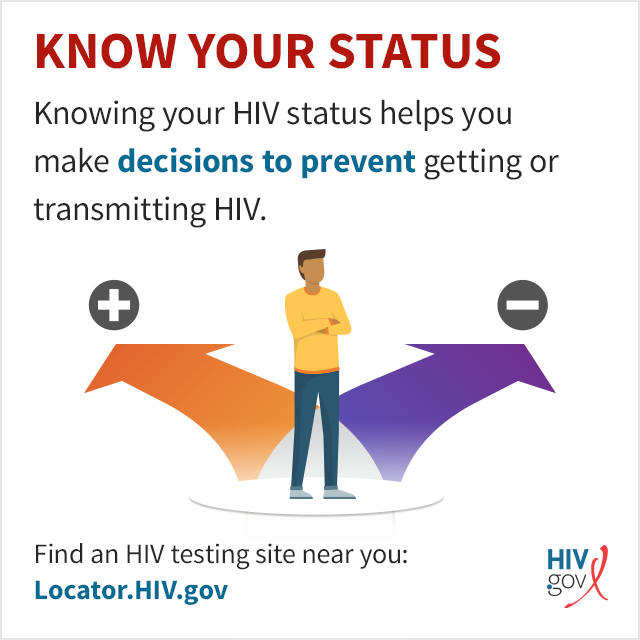 Who Should Get Tested? | HIV.gov
 PrEP: Protection against HIV in a pill? - Harvard Health Blog ...
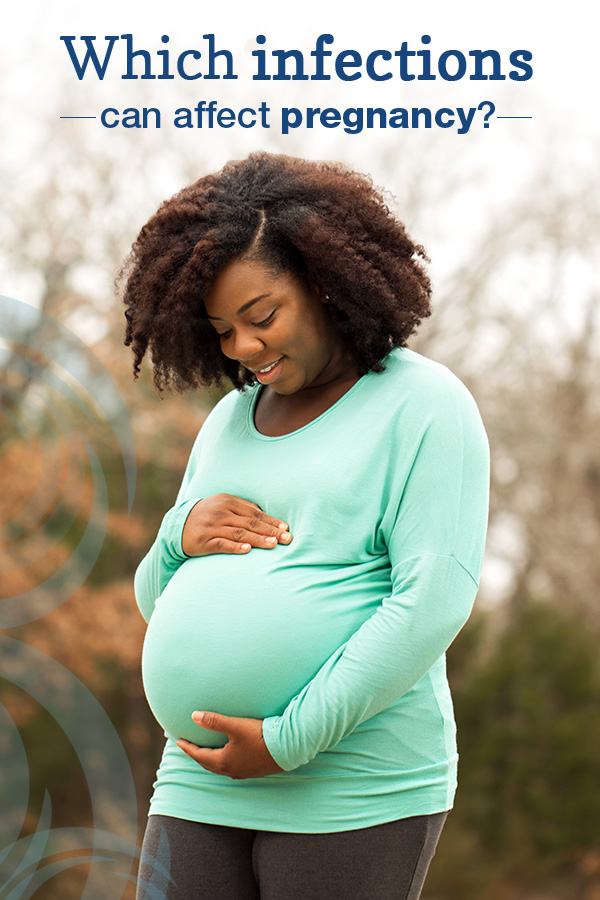 What infections can affect pregnancy? | NICHD - Eunice Kennedy ...
 Father Transmits HIV to Newborn Son in Rare Case: How Did It ...
 Healthy eating for people living with HIV | aidsmap
 WHO | Breast is always best, even for HIV-positive mothers
 amfAR :: Basic Facts About HIV :: The Foundation for AIDS Research ...
/cdn.vox-cdn.com/uploads/chorus_image/image/35567106/107091587.0.jpg "10 things you need to know about the pill to prevent HIV - Vox") 10 things you need to know about the pill to prevent HIV - Vox
10 things you need to know about the pill to prevent HIV - Vox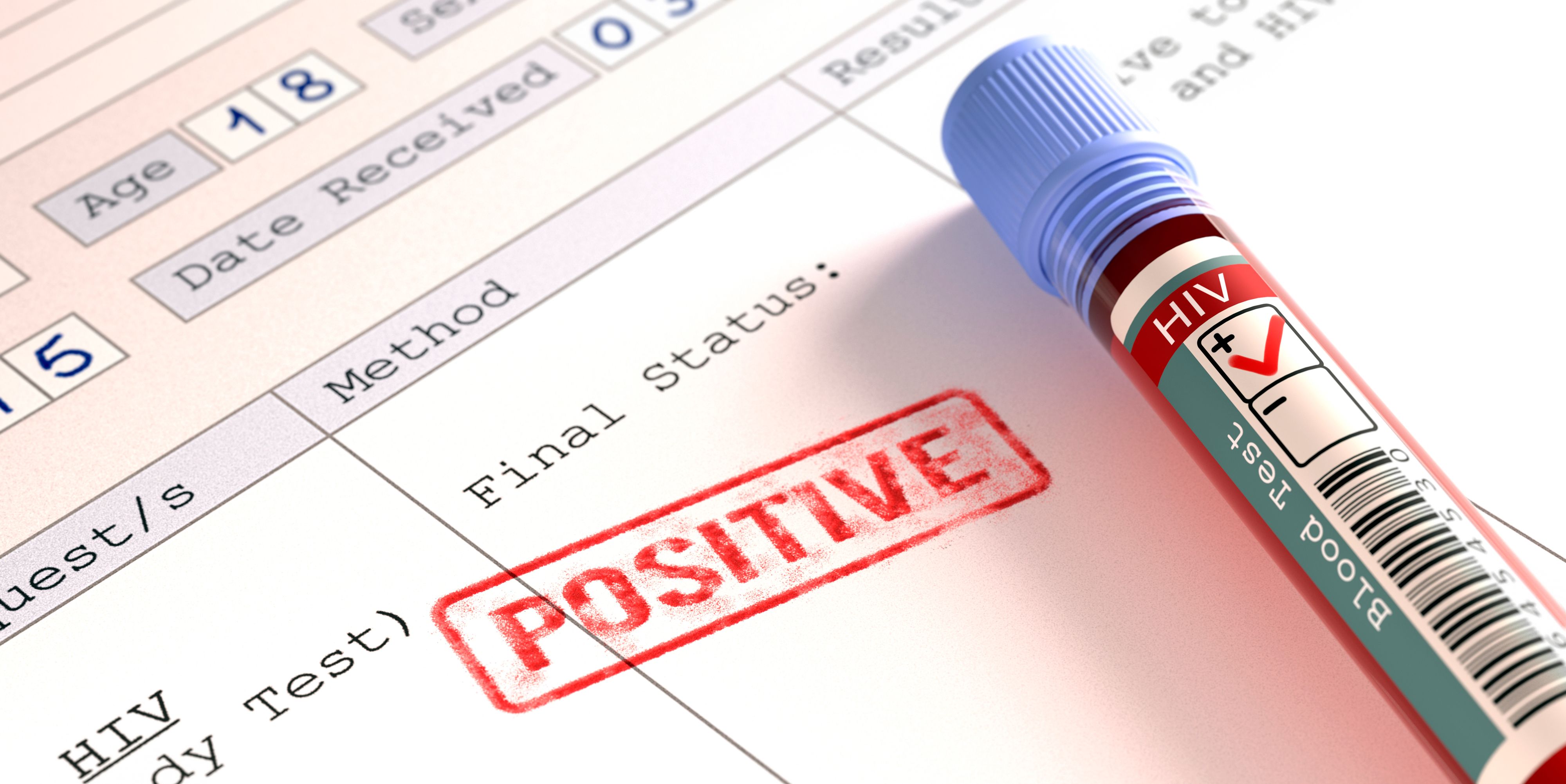 I Am HIV Positive. This Is What It's Like to Date.
 HIV and AIDS: Medicines to Help You | FDA
 Nigeria has more HIV-infected babies than anywhere in the world ...
 What You Need to Know About HIV Transmission, Risk Factors, and ...
 13 AIDS (HIV Positive) Nursing Care Plans - Nurseslabs
 Protect Yourself from HIV/AIDS | SCDHEC
 Antiretroviral HIV Drugs: Side Effects and Adherence
 I'm HIV positive. What do I need to know before I get pregnant ...
 HIV AIDS Facts: Symptoms and Treatments
 Effects of HIV on the Body: Virus and Medications


Posting Komentar
Posting Komentar