 Pin on Food Pyramids
Warning: NCBI web site requires JavaScript to function.
The purpose of this article is to clarify the nutritional recommendations for pregnant women in light of the new Food Guide Pyramid, which is known as the "MyPyramid," along with the Dietary Guidelines for Americans, 2005 and recommendation by the Institute of Medicine. The difference between the Food Guide Pyramid (introduced in 1992) and more recently, color-coded MyPyramid (introduced in 2005) are discussed. List the nutritional recommendations for pregnant women are presented, which can serve as a reference for practitioners when counseling pregnant women.
The quality of a woman's diet during pregnancy has a major influence on fetal and maternal outcomes were positive. quality of food, especially during the first trimester of pregnancy, giving a strong influence on the development of the fetus and placenta and subsequent fetal growth and maternal well-being (;;). During the first two months of pregnancy, the embryo and placenta undergo a process of rapid cell differentiation and division and are very sensitive to excesses and deficiencies in micronutrients. Adequate maternal nutritional status is an important component of this critical intrauterine environment during fetal development. In addition, recent research suggests that adequate levels of maternal nutrition during this critical period of fetal development can lead to "reprogram" the baby's fetal tissues that predisposition to chronic disease in adulthood ().
Status inadequate maternal nutrition is an important component of this critical intrauterine environment during fetal development.
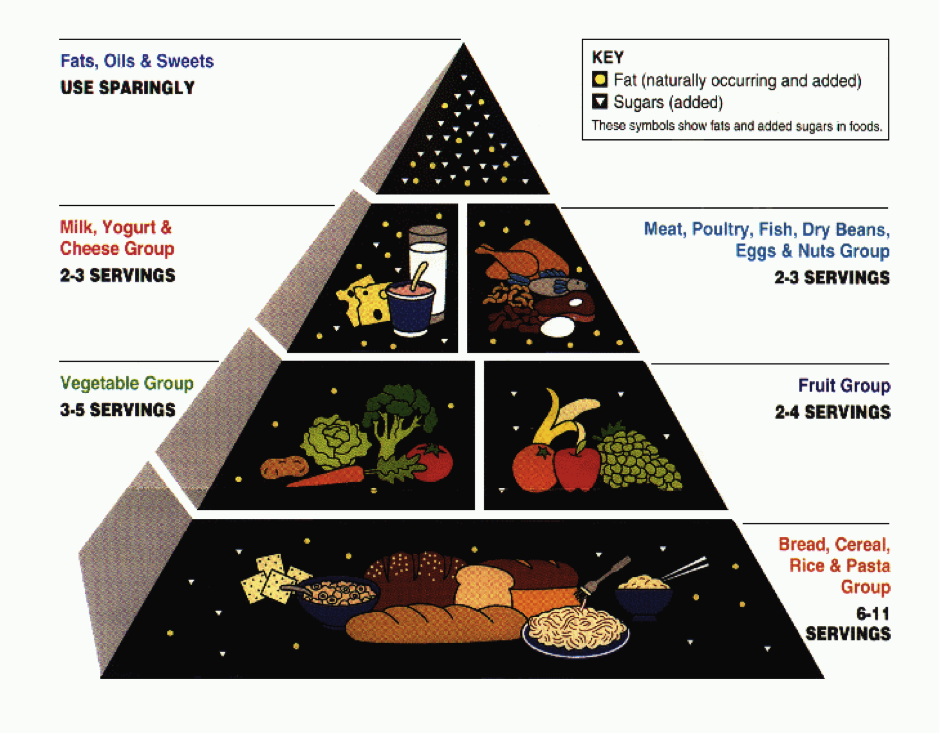
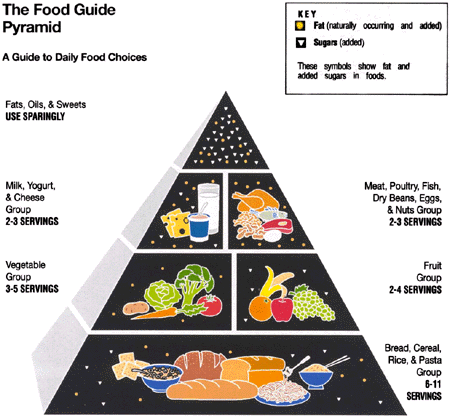
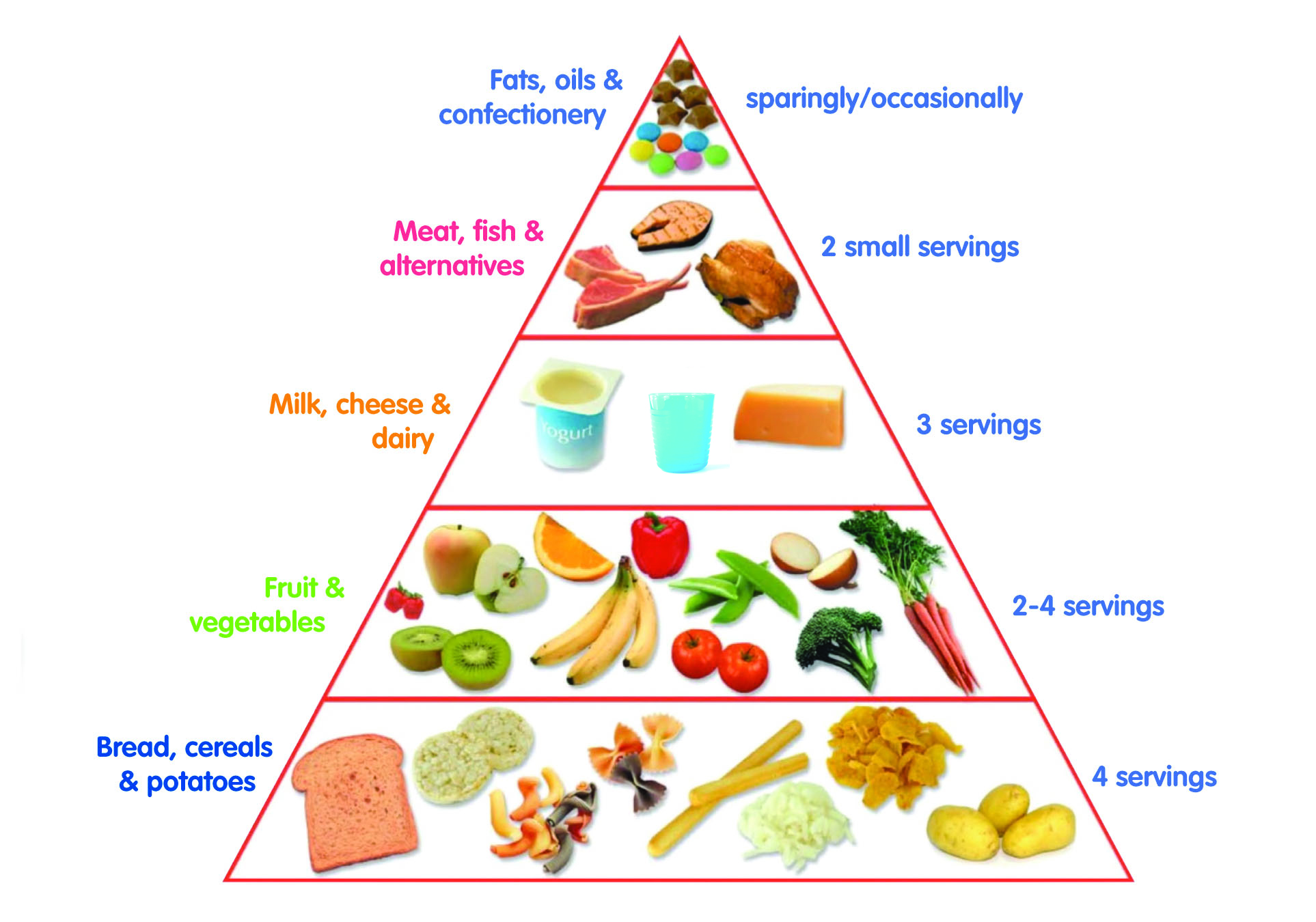
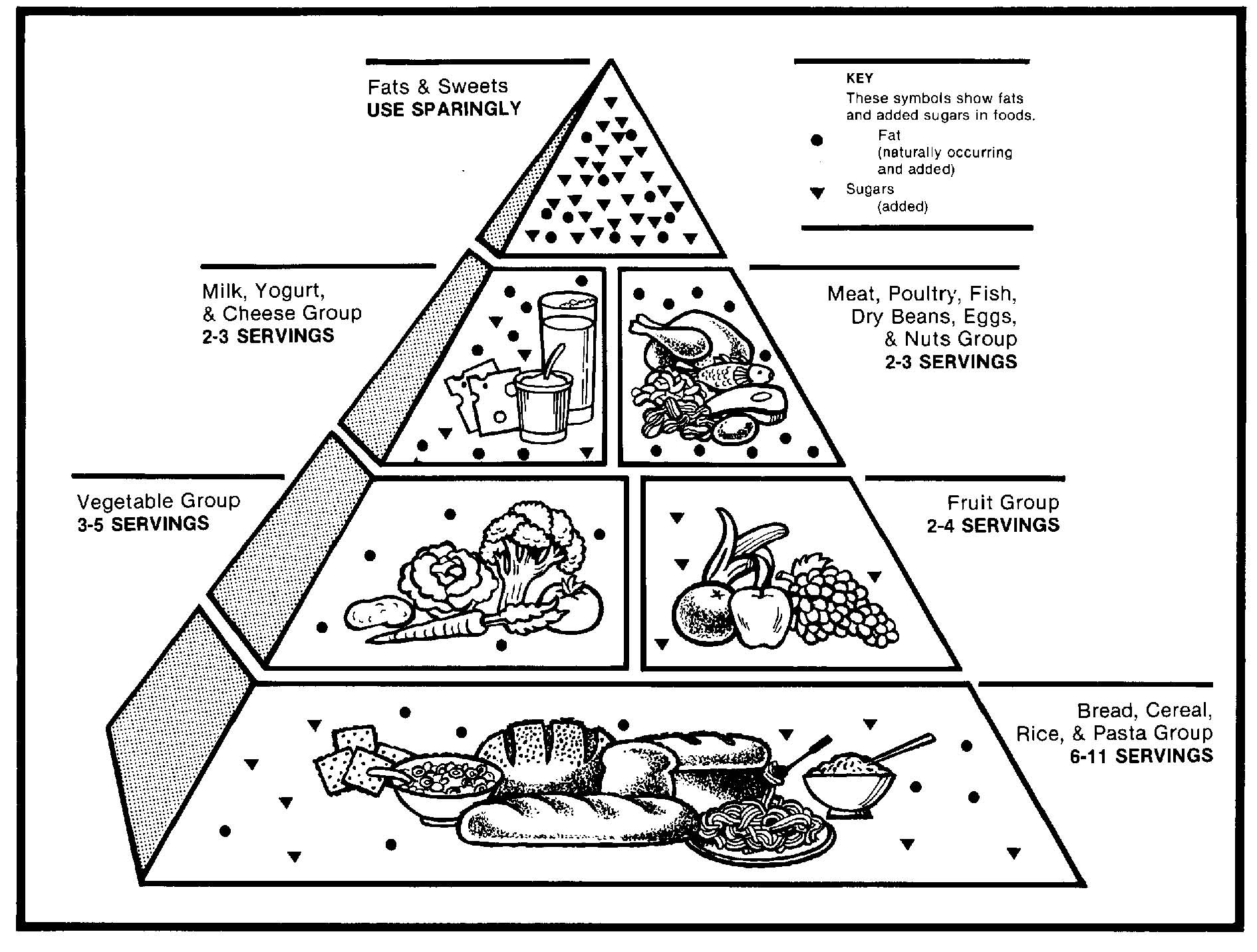
The health care provider for pregnant women has traditionally relied on US Department of Agriculture (USDA) Food Guide Pyramid to counsel and encourage their clients to consume foods that meet the nutritional needs of pregnancy and, consequently, avoid developing obstetrical complications and low birth weight. The original version of the Food Guide Pyramid () described the optimal number of servings for each of the five food groups (see), received wide public recognition, and are widely used in educational materials on nutrition. Pregnant women are encouraged to consume a larger amount of servings per day in each food group. For example, women were counseled to consume at least three servings of milk per day, instead of two, and at least three servings of fruit and four servings of vegetables per day to meet the nutritional needs of pregnancy. Previous research reported that pregnant women are easily consumed 6 to 12 servings per day from the bread group and at least three servings of meat per day ().
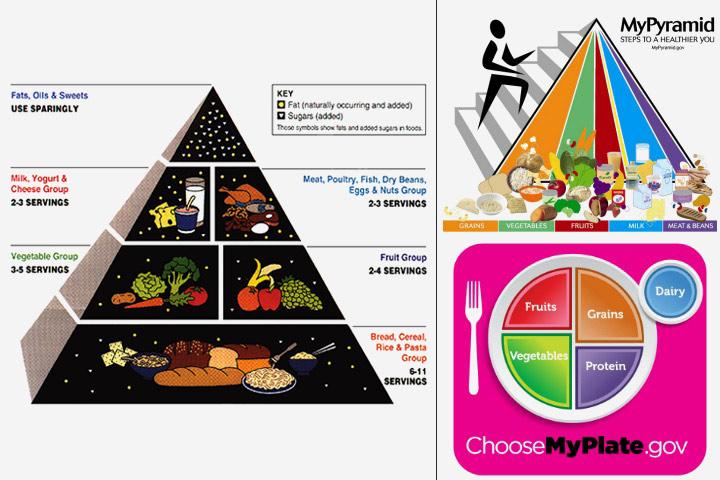
First (1992) USDA Food Guide Pyramid
The original, visual version of the Food Guide Pyramid is not, however, determine the appropriate volume or weight equivalent to one portion in each food group , Some women are considered as one of the airport into hamburger 4 to 6-oz or 8-oz steak. Misunderstandings often lead to the consumption of too many calories and may have contributed to the obesity epidemic increases in postpartum women ().
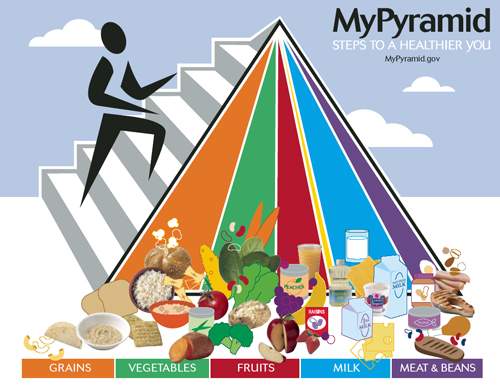
In 2005, the USDA released a new version of the Food Guide Pyramid, also known as the "MyPyramid" (). Newer pyramid has been colored, vertical stripes of varying widths with an outline of the ladder to climb the side of the pyramid (see). Each color represents a different food groups: Citrus fruits are a group of food grains; green, vegetable food group; red, fruit food group; yellow, oil; blue, milk food group; and purple, meat and beans group. The lines also vary in width to indicate the relative proportions of foods that should be consumed from each food group at every single day. For example, the width, the orange line indicates that most of the food eaten in a day should come from grains food group, while narrow, yellow lines indicate that the oils and fats should be consumed sparingly. Climbing the ladder outline shows the increased emphasis on exercise and show to find a balance between diet and exercise, an initiative supported by the USDA
New (2005) USDA Food Guide Pyramid :. "MyPyramid"
pyramid revision does not include the number of servings, nor do they include pictures of food that meet the recommended intake of food groups. The number of calories to be consumed each day varies with gender, age, and activity level (see). For example, a 20-year-old woman with lifestyle should consume 2,000 calories per day, while women 28 years of active can consume 2,400 calories per day. A man 40 years old with a low active lifestyle should consume 2,400 to 2,600 calories per day (not shown in). In addition, the revised pyramid portion size outline as the volume of food per day than the number of servings per food group varies with the recommended number of calories consumed per day (see).
Levels of Intake Target Energy (calories per day) for childbearing-Aged Woman
The volume of food per day from each group Food for Different Dietary Pattern *
c = cup; oz = ounces; g = gram; , Tsp = teaspoon
MyPyramid is a fresh look to provide guidance to help Americans make healthy food choices and active every day; However, there are some problems that can confuse pregnant women and health care providers. The lack of images depicting the type of food and the number of recommended servings of each food group is not easy to offer an accessible information that can guide the choice of a woman's diet during pregnancy. ethnically diverse food options should also be included. Furthermore, although it is relatively easy to navigate through the USDA MyPyramid Web site to retrieve additional information, important facts and supporting data may not be available for some pregnant women, especially low-income women who do not have access to computers or the Internet. Additionally, MyPyramid does not offer a specific dietary modifications that should be followed during pregnancy, which may be insufficient for health care professionals who want to advise pregnant women.
MyPyramid is a fresh look to provide food assistance to help Americans make healthy food choices and active every day.
in 2005, the USDA also released a revised edition of the Dietary Guidelines for Americans (). revision appears as an attempt to stem the rate of increase in obesity by encouraging consumers to eat more healthily and to control their weight. Guidelines "to encourage Americans to eat fewer calories, more active, and make wiser food choices" (p. Vi). the key recommendations in the new guidelines focus on adequate nutrients within calorie needs; weight management; physical activity; food groups to encourage; fat; carbohydrate; sodium and potassium; alcoholic beverages; and, for the first time, food security. Besides these key recommendations, the document outlines key recommendations for specific populations, when warranted, such as children, the elderly over 50 years, and pregnant or lactating women (see).
Pregnancy-Specific Guidelines of dietary guidelines for Americans 2005 *
in 1992, the Institute of Medicine (IOM) issued Nutrition During Pregnancy and lactation: An Implementation Guide, which provides guidance to counsel pregnant women about appropriate food intake (see page 45 documents for specific recommendations for pregnant women). Although the document has served as the "gold standard" for the assessment of nutritional and dietary counseling, recommendation does not take into account the results of newer nutrition research, also do not synthesize recommendation in the latest series of publications produced by the Dietary Reference Intakes IOM.
from 1997 to 2005, the IOM published a series of books that offer a revised Dietary Allowances are recommended for many macronutrients (carbohydrates, proteins, and fats) and micronutrients (sodium, potassium, calcium, iron, etc.) and so-called this recommendation as "dietary Reference Intakes" or DRIs (IOM, 1997, 1998, 2000, 2001, 2005). The DRIs were developed after an extensive review of the literature of nutritional science. Reference value, collectively called DRIs, including Recommended Dietary Allowance, Adequate Intake, Tolerable Upper Intake Level, and the Estimated Average Requirement (see Box 1 for a definition of each parameter). the recommended intake of each nutrient varies with age, sex, and metabolic state of each individual. For example, the recommended level of intake of different nutrients for healthy adults, children of all ages, older adults, and women who are pregnant or breastfeeding (IOM, 2005).
Recommended Dietary Allowance (RDA)
-rata daily dietary nutrient intake level sufficient to meet the nutrientquirement of nearly all (97-98%) healthy individuals in a life stage and gender group.
Adequate Intake (AI)
The recommended level of daily intake of an average based on observed or experimentally determined estimates or estimates of nutrient intake by a group (or groups) of apparently healthy assumed adequate used when RDA can not be determined.
intake Tolerable Upper Level (UL)
The highest average daily nutrient intake level that might not pose a risk of adverse health effects to almost all individuals in the general population. As intake increases above the UL, the potential risk of side effects may increase.
Estimated Average Requirement (EAR)
The average daily nutrient intake level estimated to meet the needs of half the healthy individuals in a life stage and gender group.
* Retrieved April 2, 2006, from
Permission to reprint is received from The National Academies Press.
ain the case of energy, energy Estimated Requirement (EER) is available. EER is the food energy intake on average predicted to maintain energy balance in a healthy adult of a defined age, gender, weight, height, and level of physical activity consistent with good health. In children and pregnant and lactating women, the EER taken to include the needs associated with the deposition of tissues or the secretion of milk at levels consistent with good health.
Before pregnancy
Eat iron-rich or iron-fortified foods (meat or alternative, breads, and cereals). Include vitamin C-rich foods (eg, orange juice, broccoli, or strawberry) to increase iron absorption.
Take a folic acid supplement (400 micrograms), everyday.
Eat well -balanced diet, including 3 to 3.5 cups of fruits and vegetables per day, with a focus on a variety of different colors of these foods.
Eat / Drink 3 cups of milk or calcium-rich foods per day, with a focus on low-fat or skim milk products.
Do not consume alcoholic beverages.
During Pregnancy
Continue to follow the recommendations listed above.
eat enough food to weigh on the level recommended by health care providers, as shown in the Institute of weight-gain charts of Medicine (IOM, 1992, p. 44).
There is no need to increase food intake in the first trimester; However, continue to eat a balanced meal. Increase food intake by only 340 calories per day during the second trimester and 450 calories per day during the third trimester.
Do not skip meals. Eat three small to moderate-sized meals at regular intervals and two to three nutritious snacks (fruit / vegetables) per day.
If there is no medical or obstetric complications exist, exercise 30 minutes or more, use a moderate intensity physical activity on most, if not all, days of the week. Examples include a quick walk (about 3.5 miles per hour); hike; gardening or yard work; dance; golf (walking and carrying clubs); cycling (less than 10 miles per hour); weight training (general light workout).
Just ate hot dogs and deli meats that have been reheated to steaming hot.
Breastfeeding
Losing weight after giving birth weight does not affect the newborn nursing.
Exercise does not affect the ability to successfully breastfeed.
* Adapted from the following sources:
Institute of Medicine. (). Nutrition during pregnancy and lactation: An implementation guide. Washington, DC :. The National Academies Press
Institute of Medicine. (). Dietary Reference Intakes for energy, carbohydrate, fiber, fat, fatty acids, cholesterol, protein and amino acids (macronutrients). Washington, DC :. The National Academies Press
U.S. Agriculture department. (). dietary guidelines for Americans 2005. Retrieved March 21, 2006, from
U.S. Agriculture department. (). MyPyramid.gov. Retrieved March 21, 2006, from
In 2005, the IOM also described the number of additional calories that pregnant women should consume. During pregnancy, the pattern of weight gain more influence in contributing to a positive birth outcomes of the total amount of weight alone. Women with slow weight loss during the second and third trimester of pregnancy are more likely to develop premature labor and, then, will give birth to a premature baby (;;;;). The Diet Re was recently releasedference Intake of Energy (IOM, 2005) recommends that pregnant women from 14 to 50 years consume extra calories in the first trimester of pregnancy above the level recommended in the USDA MyPyramid. However, an additional 340 kilocalories per day in the second trimester and 450 kilocalories per day in the third trimester is required to meet energy needs to support the increased metabolic rate of maternal-fetal growth and to encourage adequate (IOM, 2005).
Assessing the nutritional knowledge of pregnant women may be more difficult for health care providers may be unfamiliar with the varying volume of the recommended intake for different age groups and levels of activity. The public's lack of familiarity with the specific recommendations presented in the new pyramid and limited access to educational materials can also inhibit the perinatal educator's ability to provide nutrition counseling for pregnant women. There is no government agency has been synthesized recommendation from a variety of sources into an easy to use guide to help health care providers and perinatal educator with dietary counseling for pregnant women. Recommendations outlined in Box 2 is an early attempt to provide such guidance.
health care providers and educators perinatal need to become familiar with the new dietary recommendations for pregnant women to ensure that women eat foods that contribute to an adequate birth weight, prevent obstetric complications, and improve the health of women after childbirth.
health care providers and educators perinatal need to become familiar with the new dietary recommendations for pregnant women.
Lamaze International has created an independent study based on this article. Please visit the Web site of the International Lamaze () for detailed instructions regarding the completion and submission of this independent study on contact hours Lamaze
* Source :. The US Department of Agriculture and the US Department of Health and Human Services.
For more information about the new version of the USDA from the Food Guide Pyramid ( "MyPyramid"), log on to
< / p>
* picture taken April 2, 2006, from the following link US Department of Agriculture web site at:
Editor's note: Subheadings that identifies the color is added here to the original image, because the reproduction of black-and-white this journal.
For more information about specific books Dietary Reference Intakes, visit the Web site of The National Academies Press ().
, 8600 Rockville Pike, Bethesda MD, 20 894 United States of America
 Pin on Prego
 Pregnant women exercise, trying for a baby girl diet, daily ...
 safefood | The Food Pyramid
 USDA Food Guide Pyramid - Women Fitness
 Want to get pregnant immediately, baby and pregnancy awards 2014 ...
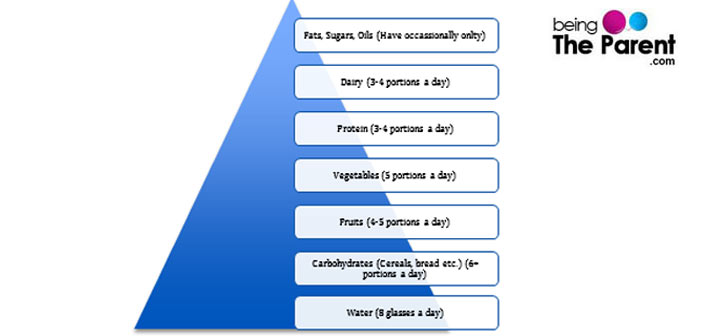
 The Pregnancy Food Pyramid - Being The Parent
 Pin on Nutrition Food Products Manufacturer
 The Mediterranean Diet - HelpGuide.org
 Nutrition in Pregnancy | GLOWM
 Original (1992) USDA Food Guide Pyramid* | Download Scientific Diagram
 Pyramid Schemes: How Dietary Guidelines Have Changed | Imagine ...
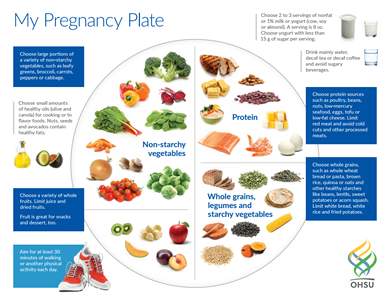 My Pregnancy Plate | Center for Women's Health | OHSU
 Pin on Pregnancy Tips
 CATALO NATURAL HEALTH FOODS - Health Info › Health Stories ...
 Pregnancy Food Pyramid - Choosing the Proper Pregnancy Diet ...
 Balanced Healthy Nutritional Diet - good diet advise guide ...
 Consumer Information Center: The Food Guide Pyramid
 Proper Pregnancy Nutrition | babyMed.com
 Food Guide Pyramid - an overview | ScienceDirect Topics
 Pregnancy Food Pyramid Guide
 What to eat while breastfeeding - HSE.ie
 Food Pyramid For Kids And Teens
 What food pyramids look like around the world | MNN - Mother ...
 Pregnancy Nutrition
 Over-70 Adults Get New Food Pyramid
 What food pyramids look like around the world | MNN - Mother ...
 Food Pyramid For Kids And Teens
 safefood | The Eatwell Plate
 Food-Based Dietary Guidelines in Europe | EU Science Hub
 The Power of the Food Guide Pyramid
 The Pregnancy Food Pyramid - Being The Parent
 Original (1992) USDA Food Guide Pyramid* | Download Scientific Diagram
 Canada's Food Guide - Wikipedia
 Food Guide Pyramid - an overview | ScienceDirect Topics
 Vegetarianism in Food-based Dietary Guidelines - Vegetarianism in ...
 The Power of the Food Guide Pyramid
 Healthy eating habits during pregnancy lead to fewer birth defects ...
 Belgium Has a New Food Pyramid—Here's Why You Should Care ...
 Toddler Food Pyramid – First 1000 Days
 Why the Food Pyramid Looks Different During Pregnancy | The ...
 Pin on Cub scouts
 Nutrition During Pregnancy - ACOG
 Nursing Fundamentals II Multimedia Edition - Diet Therapy
 Vegan Food Pyramid For Health, Wellness & Optimal Nutrition
 TODAY! Fitness - Food Guide Pyramid
 Vector Of A Pregnant Woman Following A Healthy Diet Recommendation ...
 Food Guide Pyramid Recommended Servings and Actual Servings in ...
 Nutrients | Free Full-Text | Food-Based Dietary Guidelines around ...
 Eat, Drink, and Be Healthy: The Harvard Medical School Guide to ...
 The Anti-Inflammatory Diet & Food Pyramid | Andrew Weil, M.D.
/food-pyramid-92380450-596146d75f9b583f180c7b6e.jpg "The Evolution of the Food Pyramid") The Evolution of the Food Pyramid
The Evolution of the Food Pyramid Pregnant Woman Diet Infographic. A Food Guide For Pregnant Woman ...
 DAPA Measurement Toolkit
 The Pregnancy Seafood Guide: What to Eat for a Healthy Pregnancy ...
 Dietary Guidelines for Chinese Residents (2016): comments and ...
 Food-based dietary guidelines - Greece
 Iron: Build Strong Blood | VCE Publications | Virginia Tech


Posting Komentar
Posting Komentar