 Pin on Health
Sharon Palmer
Published on July 10, 2019
Are you expecting a new baby? Congratulations, what a fun time! But for mothers who have chosen to eat a plant-based diet, all the excitement that can cause anxiety if your diet is healthy for you and your developing baby. It is not unusual for mothers to hear from loved ones and even the Internet is very important to consume animal products during pregnancy to meet your needs. In fact, this is the old saying "necessity" requires a new update. In fact, according to recent research, plant-based diet may actually be protective during pregnancy, a beneficial effect both mother and baby. And the Academy of Nutrition and Diet states that planned vegetarian and vegan diets are appropriate for all ages and life cycles, and even pregnancy. Note :. The emphasis on the planned
Having a good understanding of the necessary nutrients and food groups you need to get your diet during pregnancy is important. Not only can this be a way of healthy eating during pregnancy, but also during breastfeeding. It's probably a good idea to meet with a registered, too. And 5 important steps will help you achieve your goal of powering up the nutrients your pregnancy with a healthy lifestyle for the plant well into the future!
1. Meet Energy Needs Improvement. Throughout the stages of pregnancy, many changes occur in the body. Energy (or total calories) need to be improved, but not as far as you often hear about. Wide misconception is that when you're pregnant you're "eating for two," causing many women to redouble their portion sizes. It is not necessary, so let's clear up some confusion!
Calorie needs during the first trimester is basically the same with women who are not pregnant. However, during the second and third trimester, pregnant women need to consume approximately 350-450 more calories per day, compared to pre-pregnancy needs. This may sound like a lot, but it is actually quite easy to achieve every day. This can only be additions, with ribbon and vegetables, or a portion of the solid protein. If you are very active during your pregnancy, you may need to consume more than this.
2. Power Up on Plant Protein. Protein positive effects of infant development, especially the brain. In addition, the protein also helps the mother's body to accommodate the growing fetus, and play a role in increasing blood supply. increased protein needs about 25 grams per day for pregnant women. This is in addition to the overall amount of protein needed per day, based on the total weight and level of activity, varies from person to person. Most people get enough protein per day but when following a plant-based diet, it is important to pay attention to potential weakness.
To find out how much protein you need, start by dividing your weight by 2.2, which gives you your weight in kg. Here is a basic example that may help: 100 lb / 2.2 = 45.5 kg. Once you have this number, multiply the weight of your new-found 0.8 kg (45.5 kg * 0.8 = 36 grams of protein). If you are very active you might want to use 1 or 1.2 instead of 0.8 depends on the intensity / frequency of activity. This will give you the total amount of protein needed per day. If you are pregnant, adding only 25 grams total you.
Eat a variety of plant foods can help to meet your protein needs for the day. This may include items such as beans, quinoa, lentils, tofu, tempeh, nuts, seeds, peanut butter, and of course - alternatives such as soy milk and almond milk. Try to consume at least one serving of protein-rich plant foods at every meal and snack to provide stable energy and nutrients needed for a healthy pregnancy.
3. Get your calcium and vitamin D. Calcium and vitamin D are essential for the development of the baby's bones and teeth, especially during the third trimester, while preserving bone shop of the mother. While the daily recommended amount of calcium is increased during pregnancy, they follow a vegetarian diet often do not consume enough at the start and could potentially have a shortage. Make sure you get some calcium-rich plant foods every day, including dark green leafy vegetables, nuts, almonds, broccoli, tofu, calcium-fortified dairy alternatives, cereals, and orange juice. You can also consider taking a calcium supplement to help youmeet your needs. Check with your doctor before taking any supplement, especially when pregnant
Calcium Needs Daily
The woman, 14-18 years :. 1,300 mg / day Woman, 19-50 years: 1,000 mg / day Pregnancy and lactation: 14-18 years: 1,300 mg / d; 19-50 years 1,000 mg / d
Vitamin D can be obtained naturally from the sun, but if you live in an area that does not get much sun or you're not outside often, you may need to pay closer attention to your intake to evaluate whether supplementation is necessary. The amount of vitamin D recommended no change during pregnancy, but it has been found that vitamin D levels were lowest in the vegans, compared with those who followed a regular diet of vegetarian and non-vegetarian. Some common plant foods that provide a good source of vitamin D include fortified items such as cereals, orange juice and milk plants, and fungi exposed to light.
Vitamin D Daily
The woman, from 1-70 years: 15 mcg / d
4. Make daily Vitamin B12. Vitamin B12 plays many important roles in the development of babies and very important for pregnant women to follow a vegetarian diet becomes aware. Vitamin B12 is not found in significant levels in plant foods are not fortified; Therefore, a lot of people follow a vegetarian diet lacks. In fact, a recent review reported that 17-39% of all pregnant women following a vegetarian diet deficient in vitamin B12 and higher levels of deficiencies reported in vegan. To ensure that you are getting enough daily supplement is required. Due to the low absorption of supplements, many experts suggest that higher levels of B12 to reach the ideal status
Vitamin B12 Daily
The woman, 14 years old and older. 2.4 mcg / d of pregnancy: 2.6 mcg / d Lactation 2.8 mcg / d
5. Understanding Prenatal Vitamins. A healthy plant-based diet with variety is the best way to get the vitamins and minerals you need each day, with the exception of B12. Although, even when following a plant-based diet to the best of your ability, you can still fall short in some important nutrients that are important during pregnancy. Supplementation before and during pregnancy can help you fill in the blanks, but what is the difference between regular prenatal vitamins and multivitamins? The answer is two main components: folic acid and iron. prenatal vitamins designed specifically to incorporate folic acid and iron to meet the specific needs of mothers-to-be. This ensures that the developing baby has the key nutrients needed to avoid some of the serious complications and make for a healthy pregnancy.
Folate and folic acid are often used interchangeably so it can be difficult to know the difference. Folate is a B vitamin naturally present in some foods, while folic acid is the form used in fortified foods and food supplements. Folic acid is very important, especially in the early stages of pregnancy to help prevent neural tube defects in the fetus, which is a serious disorder of the brain and spinal cord. a good source of folate in the diet can be found in foods, such as enriched breads, pastas, and cereals, and nuts, green leafy vegetables, spinach, asparagus, and orange juice. vegetable diet tends to be high in folate already, but to make sure you get enough, supplements are often recommended during pregnancy. Prenatal vitamins typically provide 100% of the recommended daily intake of folic acid
Folic Daily
The woman, 14-18 years :. 400 mcg of pregnancy: 600 mcg Lactation: 500 mcg
Iron is key for supporting the growth and development of the baby, but also can help prevent anemia in the mother. Higher iron needs during pregnancy because the increased blood supply from the mother and the newly formed blood for the baby. Some plant food sources of iron include whole grains, fortified cereals, dried beans, tofu, and green leafy vegetables. Even when following a plant-based diet, if you lack balance and variety you can fall short on iron. A prenatal vitamin should provide 100% of the recommended daily intake of iron
Iron
The woman, 14-18 years. 15 mg / d Female, 19-50 years: 18 mg / d Pregnancy: 27 mg / d Lactation: 14-18 years: 10 mg / d; 19-50 years: 9 mg / d
With a well-planned diet that includes a variety of plant foods and supplements exactly when needed, a vegetarian diet can actually be a healthy choice for mom and baby!
for other resources to healMu plant-based meal, check out the following:
Written by Clara paternity, Dietetic Intern with Sharon Palmer, MSFS, RDN
Picture :, Sharon Palmer, MSFS , RDN
Reference
Mangels, Reed and Katie Kavanagh-Prochaska. "Vegan Pregnancy and Child Nutrition." Vegan Nutrition in Pregnancy and Children - The Vegetarian Resource Group, www.vrg.org/nutrition/pregnancy.htm.
Mangels, Reed. "Pregnancy and the Vegan Diet." The Vegetarian Resource Group, Simply Vegan, 5th Edition, www.vrg.org/nutrition/veganpregnancy.php.
"Office of Dietary Supplements -. Folate "NIH Office of Dietary Supplements, the US Department of Health and Human Services , October 4th, 2018, ods.od.nih.gov/factsheets/Folate-HealthProfessional/.
Pistollato, Francesca et al. "Pattern-Based Plant and Plant-Rich Diet during Pregnancy and Beneficial Effects :. may Shortage "Advances in nutrition (Bethesda, Md.) Vol. 6.5 581-91. 5 September 2015, doi: 10.3945 / an.115.009126
" Pregnancy. " Physicians Committee for Responsible Medicine, www.pcrm.org/good-nutrition/plant-based-diets/pregnancy
"Prenatal Vitamins: Why They Matter, How to Choose ". Mayo Clinic, Mayo Foundation for Medical Education and Research, April 13, 2018, www.mayoclinic.org/healthy-lifestyle/pregnancy-week-by-week/in-depth/prenatal-vitamins/art-20046945.
Wardlaw, Gordon. Contemporary Nutrition. Mcgraw-Hill Education, 2015
RDI information from the National Institutes of Health: Office of Dietary Supplements ..
Your email address will not be published. Required fields are marked *
© Sharon Palmer, MSFS, RDN, The Plant-Powered Dietitian 2020 |
The web site of joy coined by
 7 Healthy Plant-Based Foods for Pregnant Women | The Friendly Fig
 Plant-Based Foods For Pregnancy - Ashley Diana
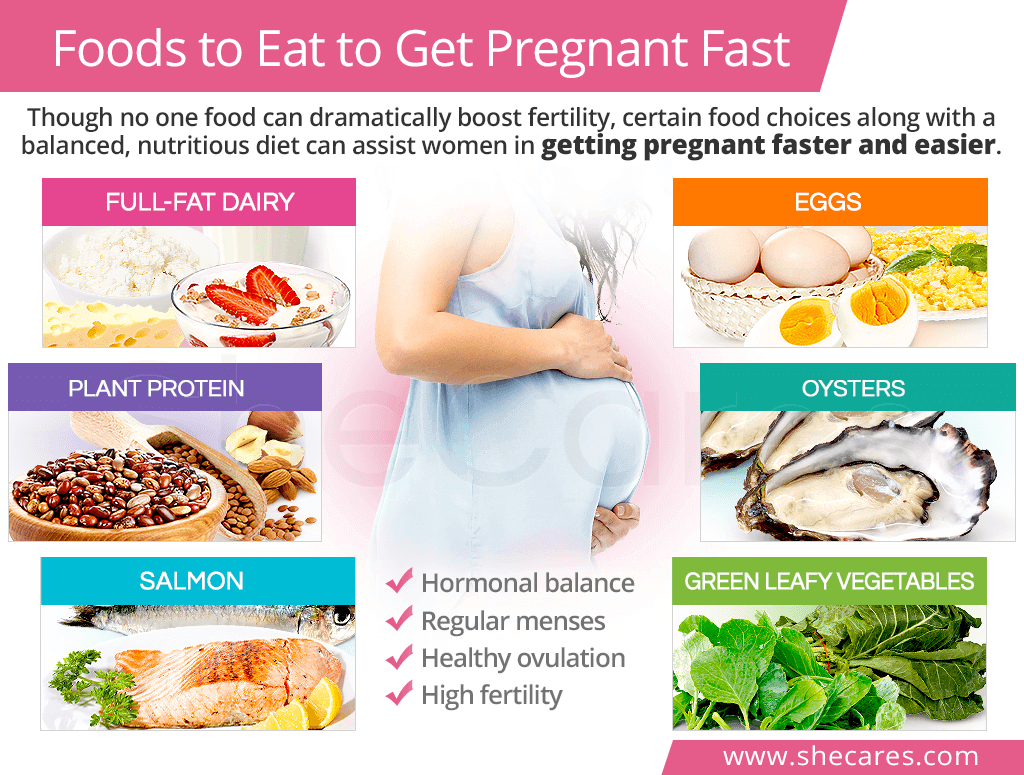 Foods to Eat to Get Pregnant Fast | SheCares
 Nourishing a Pregnancy on a Plant-Based Diet — SimplyBorn ...
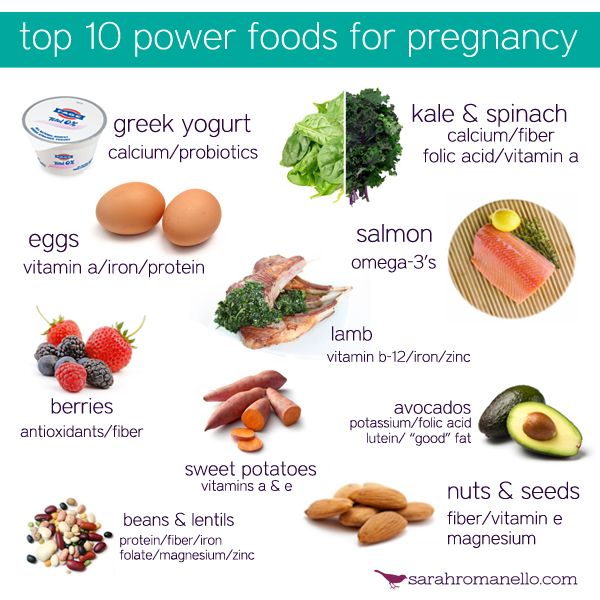 Best Obstetrician in Lahore | Dr. Zoona Saeed | Dr. Roohi Saeed
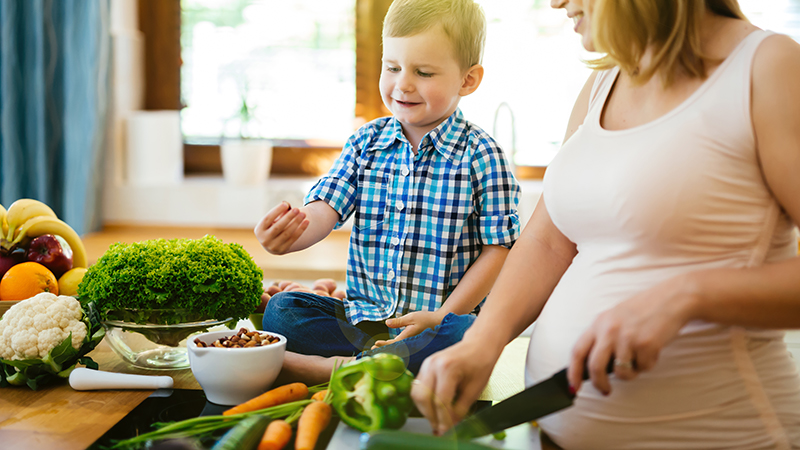 Pregnancy
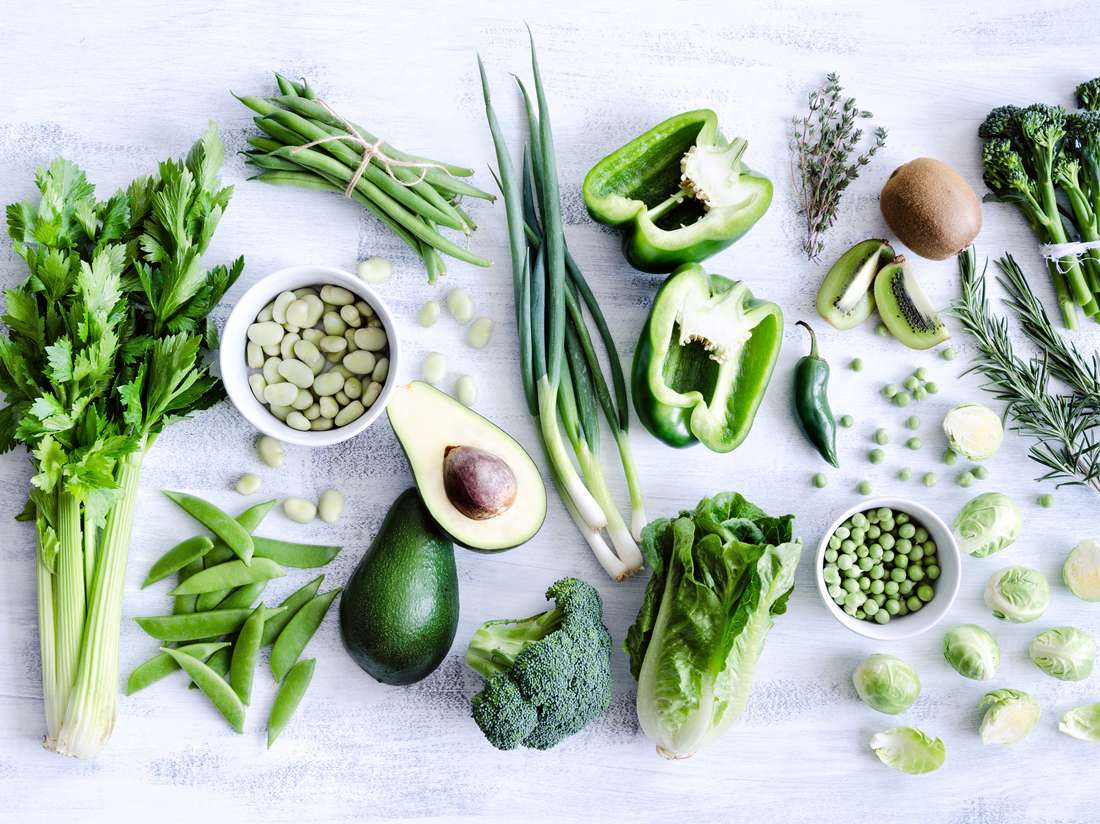 Pregnancy diet: What to eat and what to avoid
 The Best Folic Acid Foods and the Benefits For Pregnant Women
 what to eat during pregnancy: Should you eat grapes during ...
 Iron Rich Foods for Pregnancy: What to Eat and Why You Need It
 What You Should Know About Using Cannabis, Including CBD, When ...
 5 Steps to a Balanced Plant-Based Pregnancy Diet - The Plant ...
 Basic Dietary Needs During Pregnancy For The Plant-Based Mom-To-Be ...
 Vegan diet and fertility
 Pin on Healthy food choices
 Pregnancy food aversions: Gender predictions, causes and their ...
 Foodborne Risks for Moms-to-Be
 What You Need to Know About Plant-Based Diets and Pregnancy
 Plant-Based Food Post Pregnancy Benefits - Energy Boosting Foods
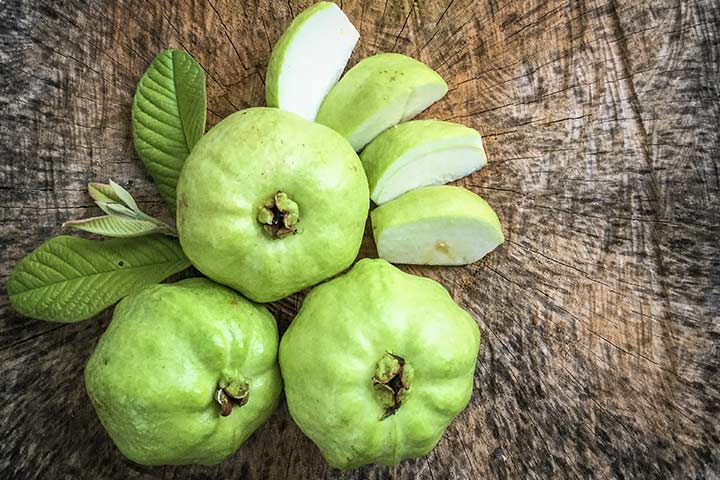 14 Amazing Health Benefits Of Eating Guava During Pregnancy
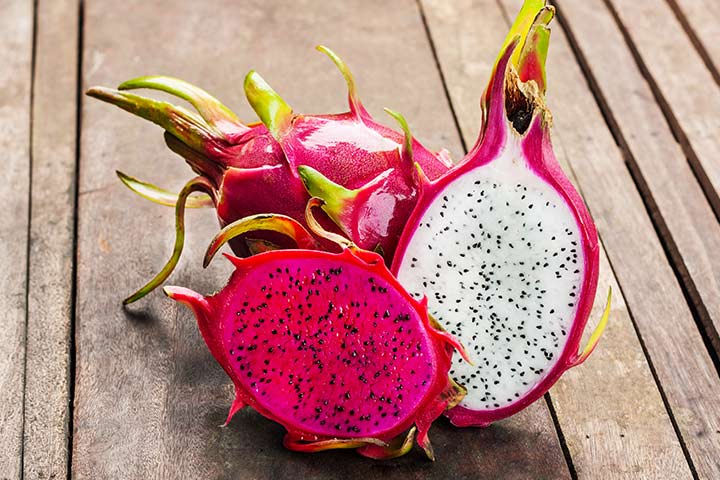 Is It Safe To Eat Dragon Fruit During Pregnancy?
 Eating Right During Pregnancy
 The 100 Healthiest Foods to Eat During Pregnancy
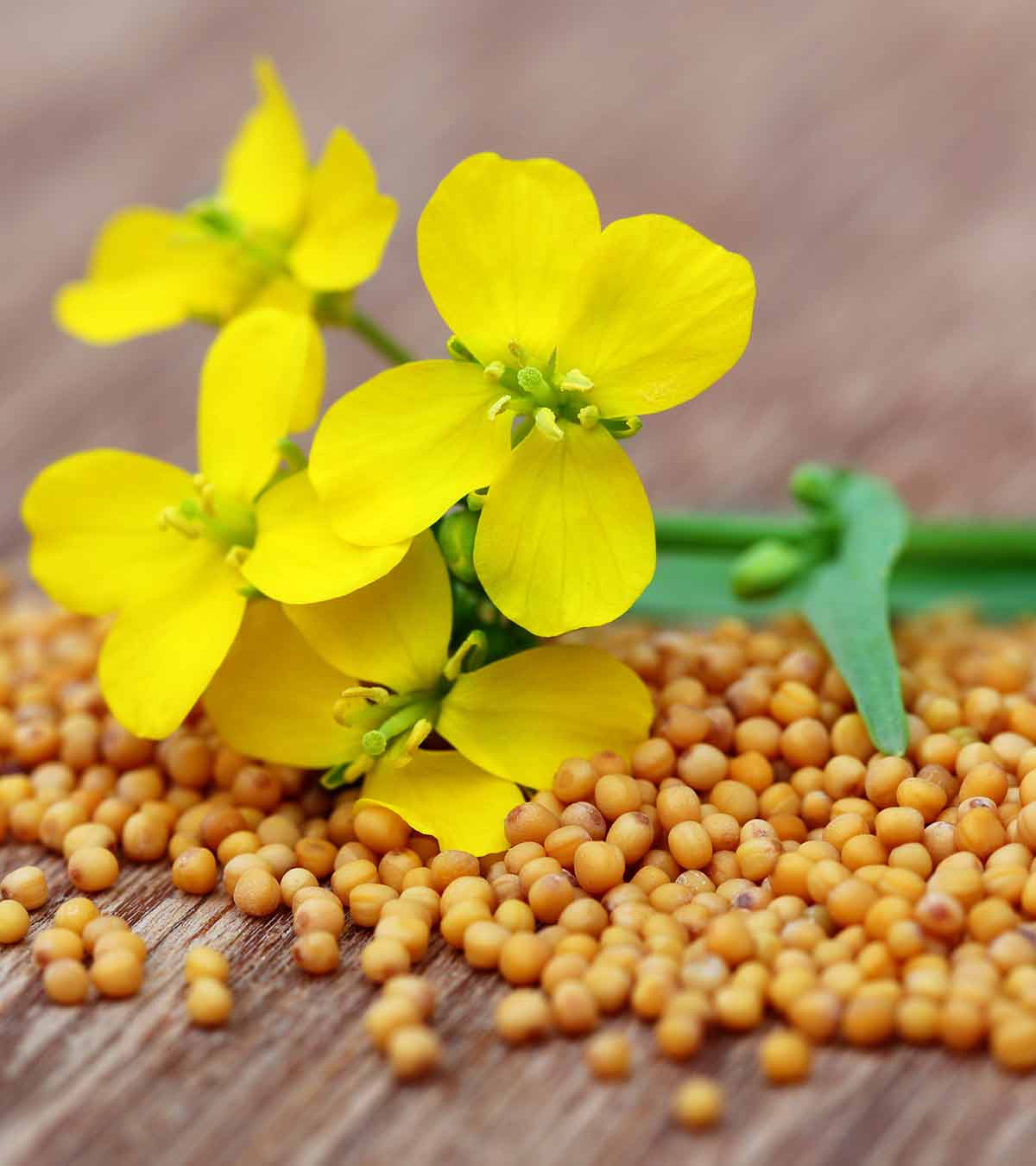 Is It Safe To Eat Mustard During Pregnancy?
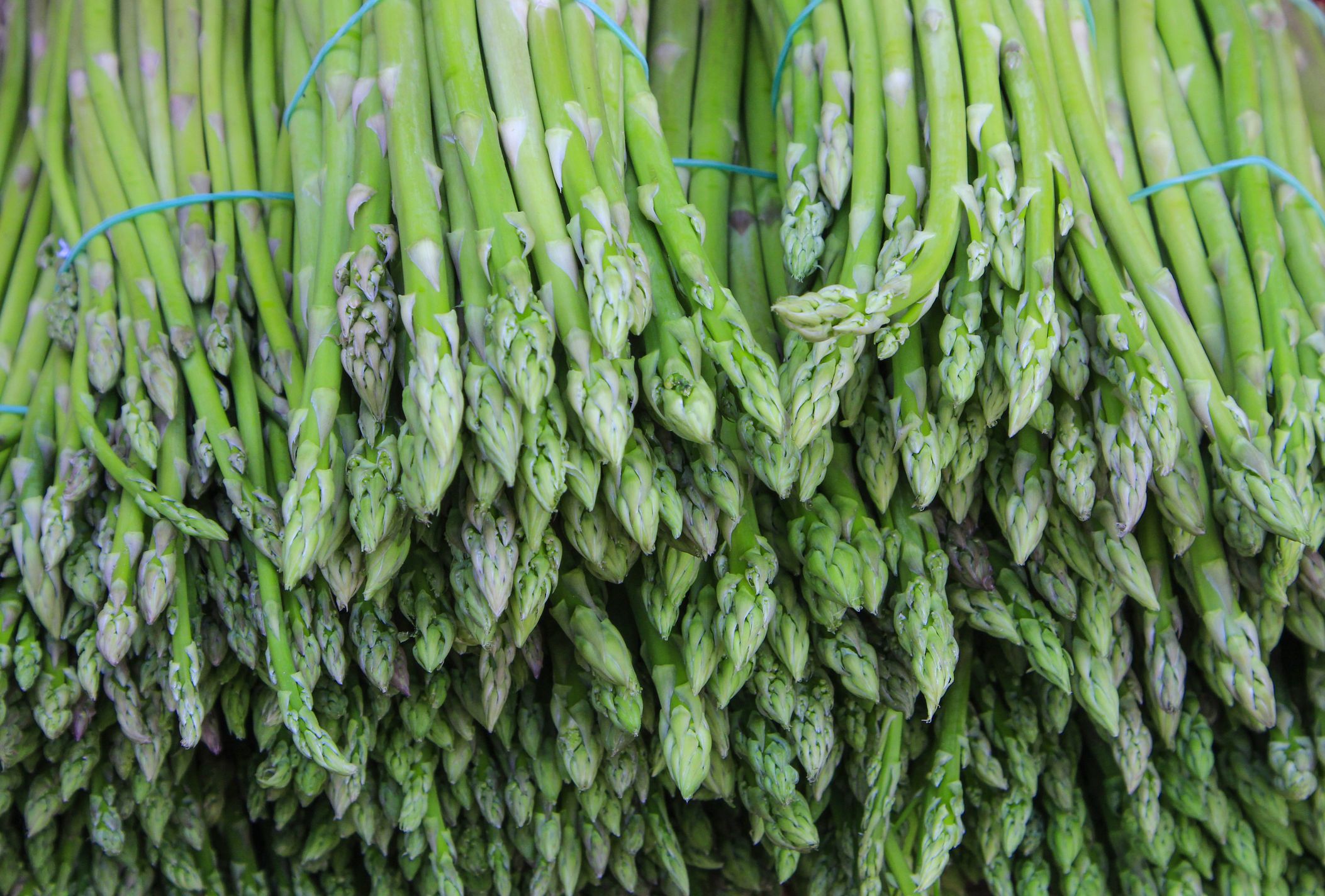 10 Best Folic Acid Foods to Eat Daily - Top Foods High in Folate
 The 14 Best Foods to Eat While Pregnant
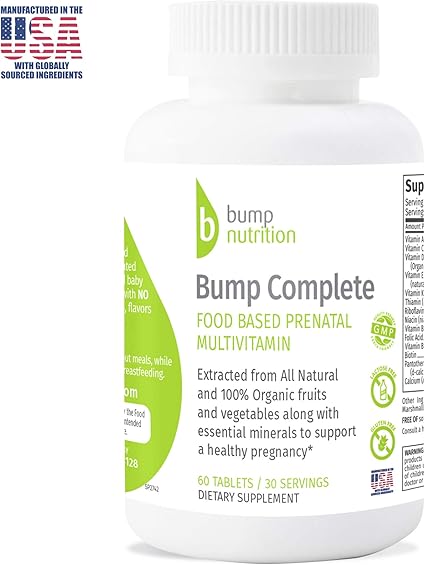 Amazon.com: Prenatal & Postnatal Multivitamin | Healthy Pregnancy ...
 Is the Standard American Diet Safe for Pregnant Women?
 Pregnant Vegans Body REJECTS Plant Foods - YouTube
 Veganism and pregnancy - Vegan Australia
/grain-bowl-with-peanut-sauce-836223186-5a64ed905b6e240037a36904.jpg "Is a Vegan Pregnancy Right for Me?") Is a Vegan Pregnancy Right for Me?
Is a Vegan Pregnancy Right for Me? Pregnant & Starved for Protein: How I Pack Protein into a Plant ...
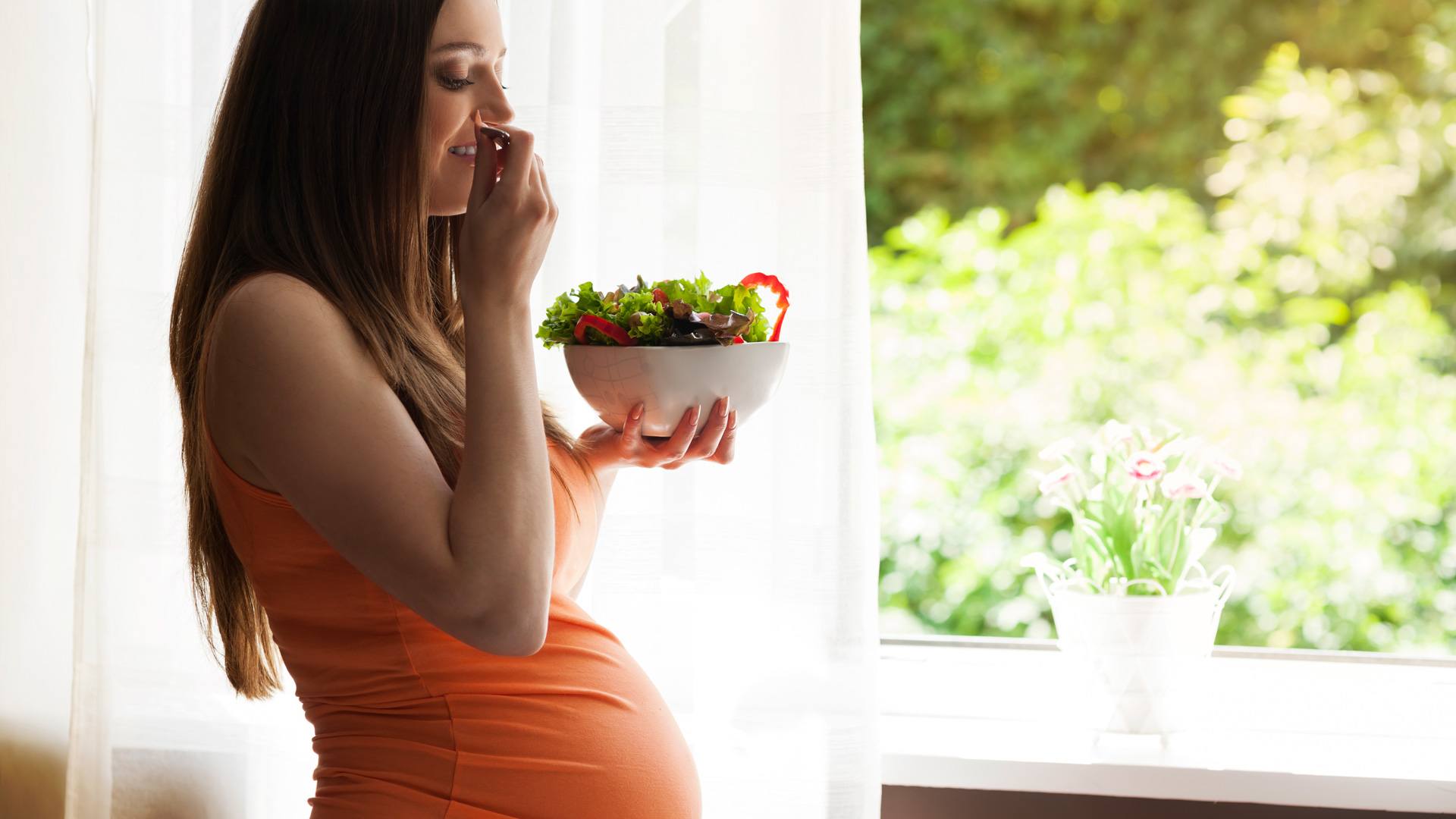 5 SuperFoods for a Stellar Pregnancy – SuperFoodsRx | Change Your ...
 Pregnancy® Tea - Traditional Medicinals - Herbal Wellness Teas
_800_480_85_s_c1.jpg "Plant sterols | The Heart Foundation") Plant sterols | The Heart Foundation
Plant sterols | The Heart Foundation Exciting News: No, I'm Not Pregnant, I'm Plant-Based | Plant based ...
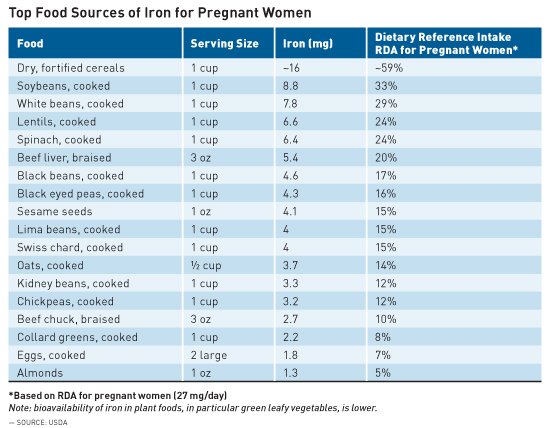 Iron in Pregnancy: Maintaining Adequate Intake for Mother and Child
 3 Main Reasons To Avoid Brinjal (Eggplant) During Pregnancy
 Calcium in a Plant-Based Pregnancy - Plant Based Juniors
 5 Steps to a Balanced Plant-Based Pregnancy Diet - The Plant ...
 The Perfect Pregnancy Food: The Benefits of Salmon for Pregnant Women
 Organic Diet in Pregnancy
 Eating Brinjal during Pregnancy - Health Benefits & Side-effects
 Pregnant! How I found out / whole food plant based pregnancy - YouTube
 Vegan Pregnancy and Breastfeeding | RD2RD
 Having a healthy pregnancy | Pregnancy Birth and Baby
 3 ways to green your pregnancy | Brixy
 Pregnancy: what to eat and what to avoid - BBC Food
:max_bytes(150000):strip_icc()/how-to-get-pregnant-with-pcos-1960193-v1-b1949eea0c4f43719a182f4ac23fc827.png "How to Get Pregnant With PCOS: Your Treatment Options") How to Get Pregnant With PCOS: Your Treatment Options
How to Get Pregnant With PCOS: Your Treatment Options Pin on Food
 13 Foods to Eat When You're Pregnant
 My Pregnancy Plate': a blueprint for healthy eating during ...
 Can Aloe Vera Help You Get Pregnant? A Fertility Expert Answers
 Eating Salmon During Pregnancy: Benefits, Side Effects & Precautions
 Women who eat less fruit and more fast food 'take longer to get ...
 Dietitian Tips for a Healthy Vegan Pregancy | Vitacost Blog
 Amazon.com : Pregnant Onion House plant Ornithogalum caudatum rare ...
 Which Foods Are Not Safe to Eat During Pregnancy? (And Which Ones ...


Posting Komentar
Posting Komentar